Free tool · Electrical
Electrical Load Calculator
Compare two dwelling demand methods, with each general-load and HVAC step shown in VA.
UpdatedLoading the calculator…
The default 1,850 sq ft dwelling produces 34,030 VA, or 141.79 A, under this Standard Method worksheet. Its Optional Method estimate is 23,640 VA, or 98.5 A. These are our own worked fixtures, not NEC Annex D examples. Start a connected-load inventory in the panel schedule template, then enter the nameplate and circuit information required by the chosen demand method.
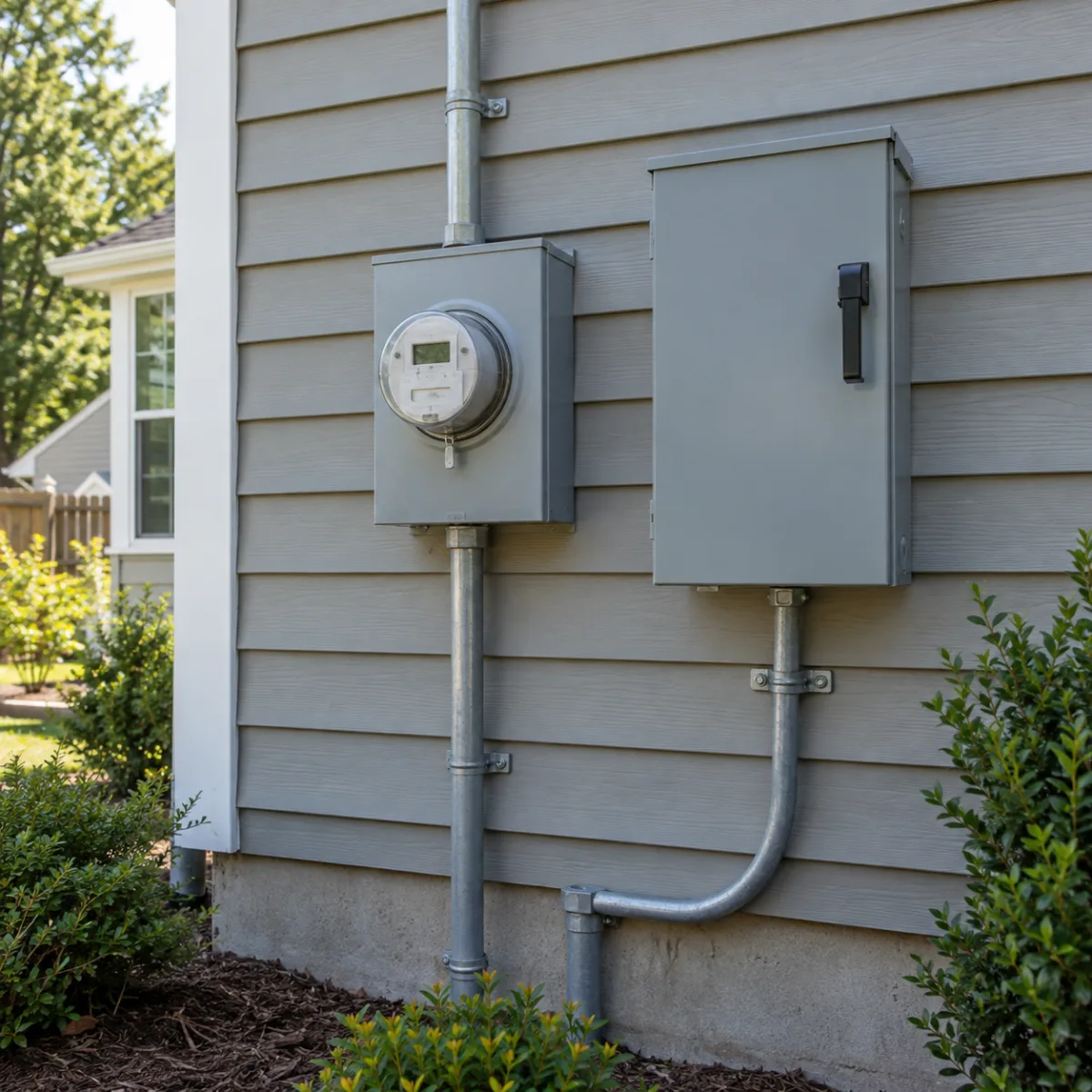
How to use this electrical load calculator
Enter the design inputs
Compare two dwelling demand methods, with each general-load and HVAC step shown in VA.
Review method eligibility and demand rows
Check the selected Standard or Optional path against the dwelling assumptions. Compare appliance, cooking, dryer, HVAC and motor entries with the actual equipment information.
Keep the demand calculation auditable
Record the worksheet edition, method, nameplate sources and exclusions. Coordinate the result with the electrical documents and the requirements of the local reviewing authority.
Build the Standard Method general load
The worksheet follows NEC Article 220 using 2020 section numbering. General lighting and general-use receptacle load begins at 3 VA per square foot of dwelling floor area. Add 1,500 VA for each required small-appliance circuit and each laundry circuit. The defaults include two small-appliance circuits and one laundry circuit, so their contribution is 4,500 VA. At 1,850 sq ft, lighting contributes 5,550 VA and the combined general load is 10,050 VA.
Apply 100% to the first 3,000 VA, 35% to the portion from 3,001 through 120,000 VA, and 25% above 120,000 VA. The default general demand becomes 3,000 plus 7,050 times 0.35, or 5,467.5 VA. This demand adjustment is not applied indiscriminately to every appliance or HVAC load. Each category has its own rule and must stay on its own line.
Confirm the floor-area definition and required branch circuits under the locally adopted edition. Do not substitute the sum of breaker handles for calculated VA. If the project also changes walls or room layouts, record the measured scope in the framing calculator and update the electrical inventory separately. A wall quantity is project context, not an electrical demand input. The single-line coordination guide explains which equipment tags should match this input schedule.
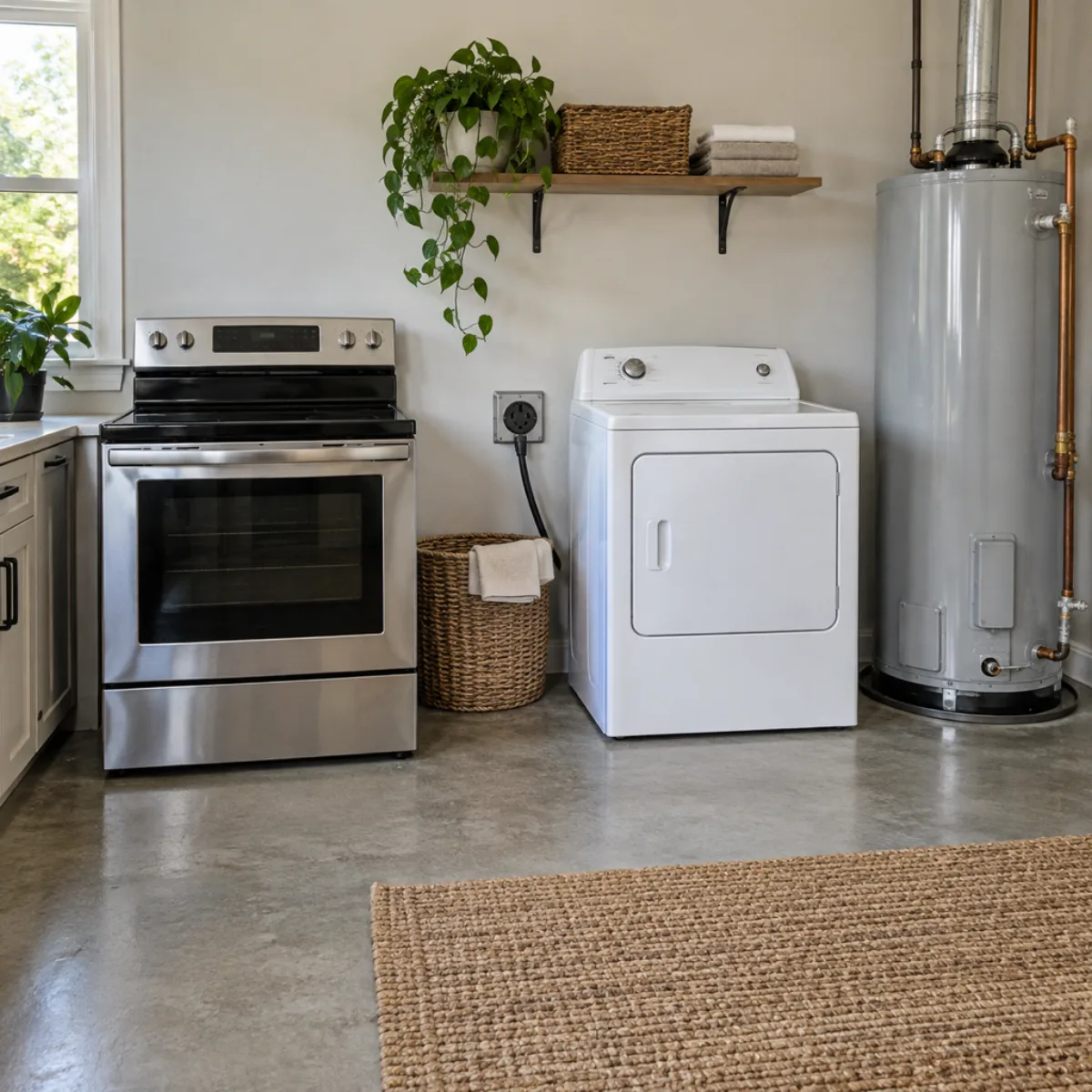
Keep appliances, dryer, range and motor demand separate
For the supported fastened-in-place appliance category, this worksheet applies 75% when four or more eligible appliances are entered, otherwise 100%. The default nameplates are 4,500, 1,200, 800 and 650 VA, totaling 7,150 VA; their demand is 5,362.5 VA. Exclude the range, dryer, space heating and air conditioning from this group because they are handled separately. Verify appliance eligibility under 220.53 rather than placing every plug load in the field.
One electric dryer is calculated at its nameplate or 5,000 VA, whichever is greater, following 220.54. Enter zero when there is no electric dryer. The range shortcut supports one household range rated 8.75 through 12 kW and uses the 8 kW Column C demand under Table 220.55. Smaller ranges, multiple cooking appliances and larger nameplates need the applicable table notes; the widget rejects those unsupported range inputs instead of guessing.
The Standard result also adds 25% of the largest motor already represented in the included loads. Avoid including an uplift twice. Select the larger noncoincident heating or cooling input under 220.60. Obtain electrical input from equipment data, not from the AC tonnage calculator, which reports cooling output. VA, watts and Btu/h cannot be exchanged without the appropriate electrical or performance information. Keep the electrical takeoff separate from the demand worksheet so purchased quantities are not confused with service capacity.
Use Optional Method demand only where it applies
The Optional Method worksheet assumes a qualifying single 120/240 V, three-wire dwelling feeder or service rated at least 100 A, under 220.82. Its general subtotal combines floor-area load, required small-appliance and laundry allowances, and the entered appliance, dryer and range nameplates. It does not reuse the Standard Method's reduced range or appliance demand values. With the defaults, that general subtotal is 33,600 VA.
Take the first 10,000 VA at 100% and the remainder at 40%, producing 19,440 VA. Add heating or cooling under 220.82(C). The electric-space-heating option uses 65% for fewer than four separately controlled units and 40% for four or more. Heat pumps without supplemental heat use the entered compressor load at 100%. The simultaneous supplemental-heat option adds 65% of the supplemental nameplate to the compressor input; other arrangements need specific review.
The default four-unit electric heating input is 9,500 VA, reduced to 3,800 VA for this optional comparison. Cooling at 4,200 VA is larger, so it is added to 19,440 for a total of 23,640 VA. The HVAC load calculator can establish thermal demand, but its Btu/h result must never be pasted directly into these electrical nameplate fields.
Read service load calculation results as estimates
Divide total VA by 240 V to obtain the single-phase service-current estimate. The Standard total of 34,030 VA becomes 141.79 A. The Optional total of 23,640 VA becomes 98.5 A. The smaller result is not automatic authorization to choose a smaller service: the method's eligibility, minimum service requirements, conductor rules, equipment ratings and local amendments still apply. The tool deliberately reports demand rather than selecting a breaker or conductor.
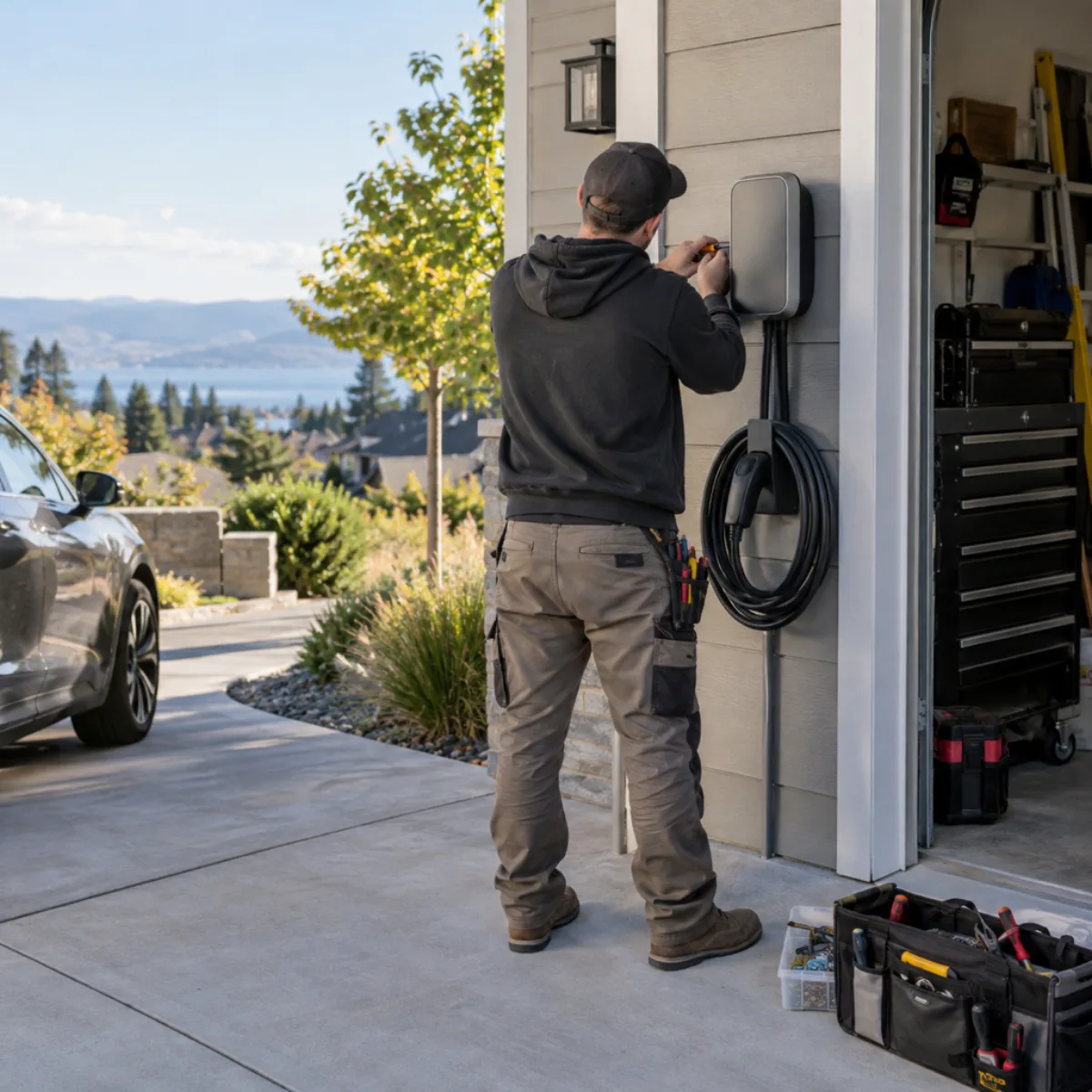
This worksheet does not cover every dwelling load. EV supply equipment, pools, spas, welders, storage systems, separate buildings and unusual continuous loads can need additional rules. A standard motor allowance may also require a more detailed allocation when the largest motor belongs to a noncoincident load that was excluded. Have the inventory and method reviewed before using the result for a permit or service change.
Keep the adopted code edition, equipment nameplates and revision date with the calculation. A renovation's material quantities in the drywall calculator and airflow work in the duct sizing calculator should refer to the same drawing revision. Ask the local AHJ which calculation format and supporting documents they require. The formulas here make the assumptions reviewable; they do not determine the authority's acceptance or replace a complete design.
Check the math
Worked example: our 1,850 sq ft dwelling fixture
This is an original step-by-step example, not a reproduction of Annex D D1(a) or D2(a). It uses four eligible appliances, a 5,400 VA dryer, one 11,000 VA range, 4,200 VA cooling, 9,500 VA resistance heating in four controlled units, and a 1,200 VA largest motor already included in the loads.
| Step | Standard Method VA | Optional Method VA |
|---|---|---|
| General before demand | 10,050 | 10,050 |
| Four appliance nameplates | 7,150 × 75% = 5,362.5 | 7,150 |
| Dryer / range | 5,400 / 8,000 | 5,400 / 11,000 |
| General demand subtotal | Lighting: 5,467.5 | 33,600 → 19,440 |
| HVAC contribution | max(4,200, 9,500) = 9,500 | max(4,200, 9,500 × 40%) = 4,200 |
| Additional motor allowance | 1,200 × 25% = 300 | Included under optional method |
| Total / amps at 240 V | 34,030 / 141.79 A | 23,640 / 98.5 A |
Electrical Load Calculator questions
How do I calculate a dwelling electrical service load?
Inventory floor area, required circuits and equipment nameplates, then apply the demand rules for an eligible calculation method. Divide the resulting VA by 240 V for this single-phase worksheet. Local rules and the adopted code edition govern the final design.
What is the difference between Standard and Optional NEC methods?
The Standard worksheet applies category-specific demand factors. The Optional worksheet combines qualifying general loads, applies 100% to the first 10 kVA and 40% beyond, then adds HVAC under 220.82(C). Eligibility must be checked before using it.
Why is the dryer calculated at a minimum of 5,000 VA?
For one electric dryer under the supported Standard Method rule, 220.54 uses the nameplate or 5,000 VA, whichever is greater. Optional Method general load uses the entered nameplate instead. Zero means no electric dryer in this worksheet.
Can a single 11 kW range use an 8 kW demand value?
The supported Table 220.55 Column C shortcut uses 8 kW for one qualifying household range up to 12 kW. This widget limits that shortcut to 8.75 through 12 kW; other ratings and combinations require the applicable table notes.
Are heating and air conditioning added together?
Noncoincident heating and cooling are compared under the relevant method. Simultaneous heat-pump compressor and supplemental heat need their own treatment. Verify controls and equipment operation rather than assuming every heating component can be excluded during cooling.
Does a 98.5 amp Optional result prove a 100 amp service is adequate?
No. It is a demand estimate within a limited worksheet. Method eligibility, omitted loads, minimum service requirements, equipment, conductors, local amendments and AHJ review remain necessary before selecting or altering a service.
Sources
- NFPA 70, National Electrical Code: 2020 Article 220 references: 220.12, 220.14, 220.42, 220.53, 220.54, 220.55, 220.60 and 220.82; motor allowance under 220.50 and Article 430. Verify the locally adopted edition.
- NFPA public record for 220.82(B): Public code-development record reproducing the 10 kVA plus 40% general-load method. Proposals are not a substitute for adopted code.
Link to this tool
Share the calculation method with your crew. This link opens the worksheet with its example inputs.
Next on the job
Keep the circuit and demand records together.
Start a project brief with the measurements and scope you have checked in this electrical load calculator.